-
E-mail
aisbono@aliyun.com
-
Phone
17896303028
-
Address
Building 3, No. 130 Jiushui East Road, Licang District, Qingdao City, Shandong Province
Product Categories
Qingdao Aisbono Technology Co., Ltd



Supplier of high-temperature resistant isolation film
NegotiableUpdate on 01/17
- Model
- Nature of the Manufacturer
- Producers
- Product Category
- Place of Origin
Overview
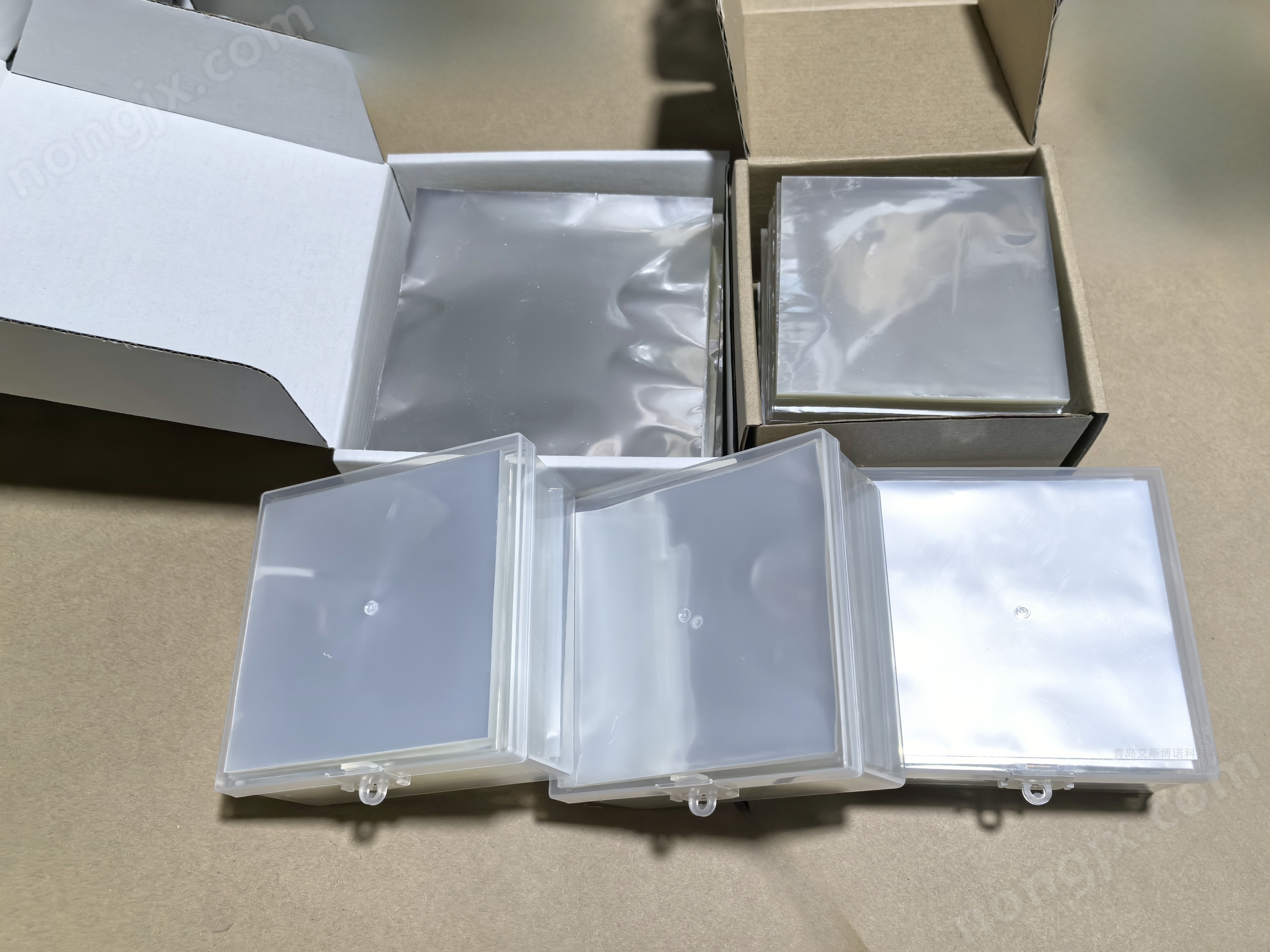
When conducting rubber vulcanization tests with high-temperature resistant isolation film for vulcanized Mooney, specialized high-temperature resistant vulcanizing equipment such as isolation film consumables or glass paper are usually used. This type of isolation film (glass paper) can withstand high temperatures, prevent deformation or damage during vulcanization, and also protect the inner wall of the mold from adhesive, making it easier for subsequent cleaning work. In addition, high-temperature resistant isolation film (glass paper) can ensure the accuracy of test data, avoiding errors in torque readings and distortion of predicted results caused by the strain values of the film itself affecting the adhesive material.
Product Details
High temperature resistant isolation film for sulfurized MooneyIntroduction:
When conducting rubber vulcanization tests, specialized vulcanizing equipment such as isolation film consumables or glass paper are usually used. This type of isolation film (glass paper) can withstand high temperatures, prevent deformation or damage during vulcanization, and also protect the inner wall of the mold from adhesive, making it easier for subsequent cleaning work. In addition, high-temperature resistant isolation film (glass paper) can ensure the accuracy of test data, avoiding errors in torque readings and distortion of predicted results caused by the strain values of the film itself affecting the adhesive material.
We can provide standard dimensions such as 75 * 75, 80 * 80, 90 * 90, 100 * 100, 110 * 110, 120 * 120, 130 * 130, etc. The thickness of the sheet can be selected, and the size of the roll can be customized and cut according to customer requirements. At the same time, we also offer PET release film products for customers to choose from.
High temperature resistant isolation film for sulfurized MooneyThe main functions include the following:
1. High temperature resistance: High temperature isolation film (glass paper) can withstand high temperatures during the vulcanization process, usually above 200 degrees Celsius, ensuring that it does not melt during long-term high temperature testing.
2. Protecting the inner wall of the mold: During the vulcanization process, a high-temperature isolation film (glass paper) can prevent the rubber material from directly contacting the inner wall of the mold, reduce the difficulty of cleaning, and protect the mold from being adhered by the rubber material.
3. Reducing errors: Using high-temperature isolation film (glass paper) can eliminate the drawbacks of large errors in ordinary thin film paper (glass paper), ensuring the accuracy and repeatability of test data.
4. Preventing slippage or burn through: High temperature isolation film (glass paper) can tightly adhere to the sample in the vulcanizing apparatus, reducing slippage or burn through caused by vibration or torque readings, avoiding additional workload and the need for retesting.
5. Provide accurate readings: The strain effect of high-temperature isolation film (glass paper) is minimal, and it will not have a negative impact on the data that provides basic information, which helps to obtain more accurate test results.
6. Easy to operate: During the vulcanization test, the high-temperature isolation film (glass paper) can be conveniently placed on both sides of the sample, and can be easily removed after the test is completed, simplifying the operation process.
In summary, the high-temperature isolation film (glass paper) of the vulcanizing instrument plays an important auxiliary role in rubber vulcanization testing, not only ensuring the smooth progress of the test, but also helping to improve the reliability of the test data.