-
E-mail
727387715@qq.com
-
Phone
13686843730
-
Address
No. 8 Yangxia Avenue, Xinqiao Third Industrial Zone, Bao'an District, Shenzhen
Product Categories
Shenzhen Juyibo Intelligent Technology Co., Ltd



Juyibo Port Meteorological Station
NegotiableUpdate on 01/17
- Model
- Nature of the Manufacturer
- Producers
- Product Category
- Place of Origin
Overview
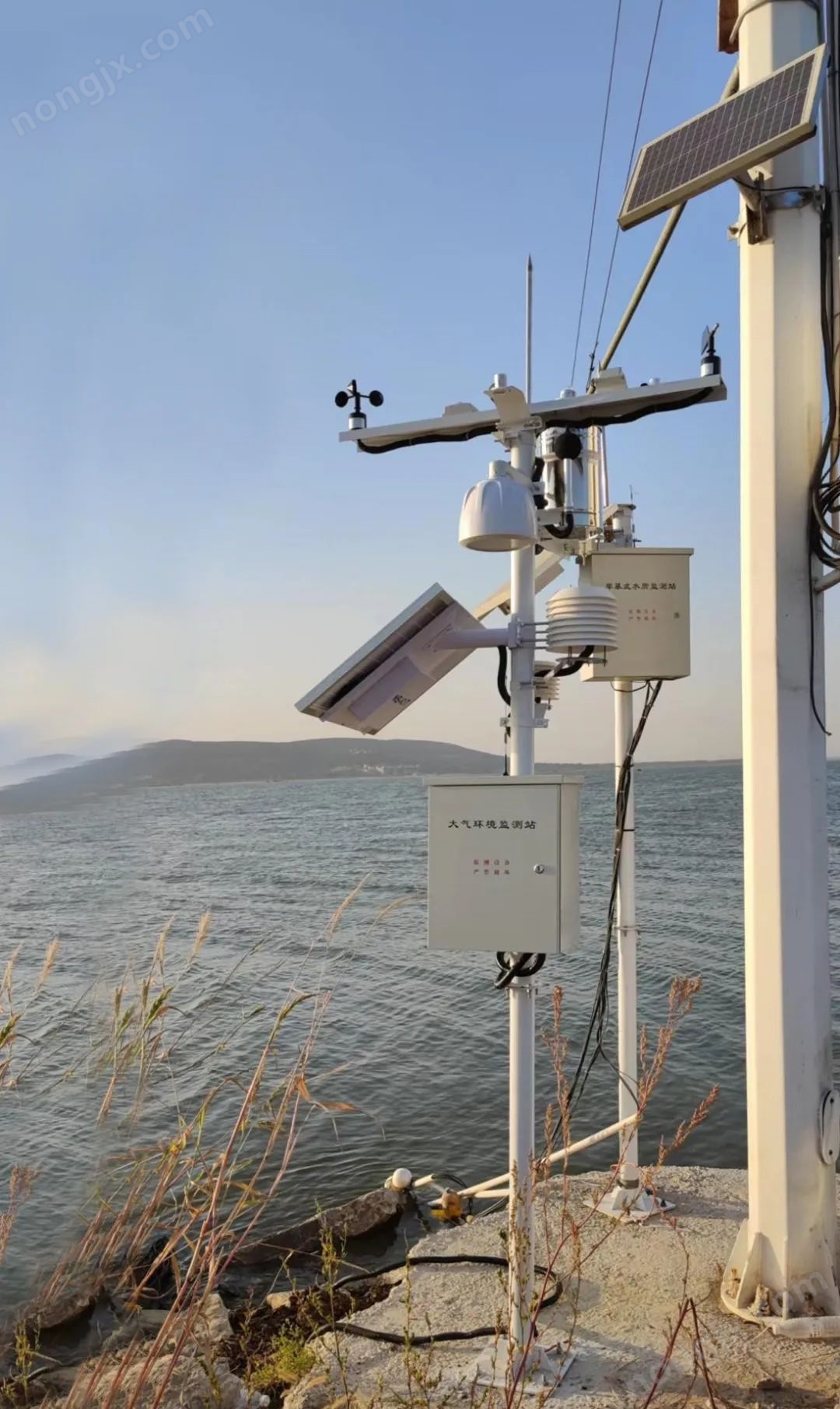
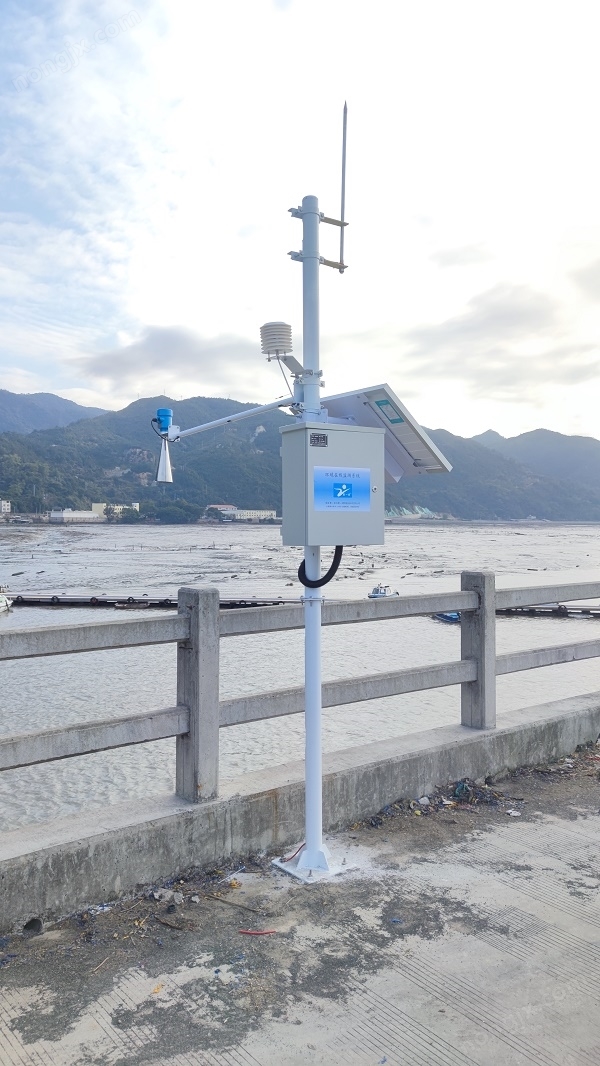
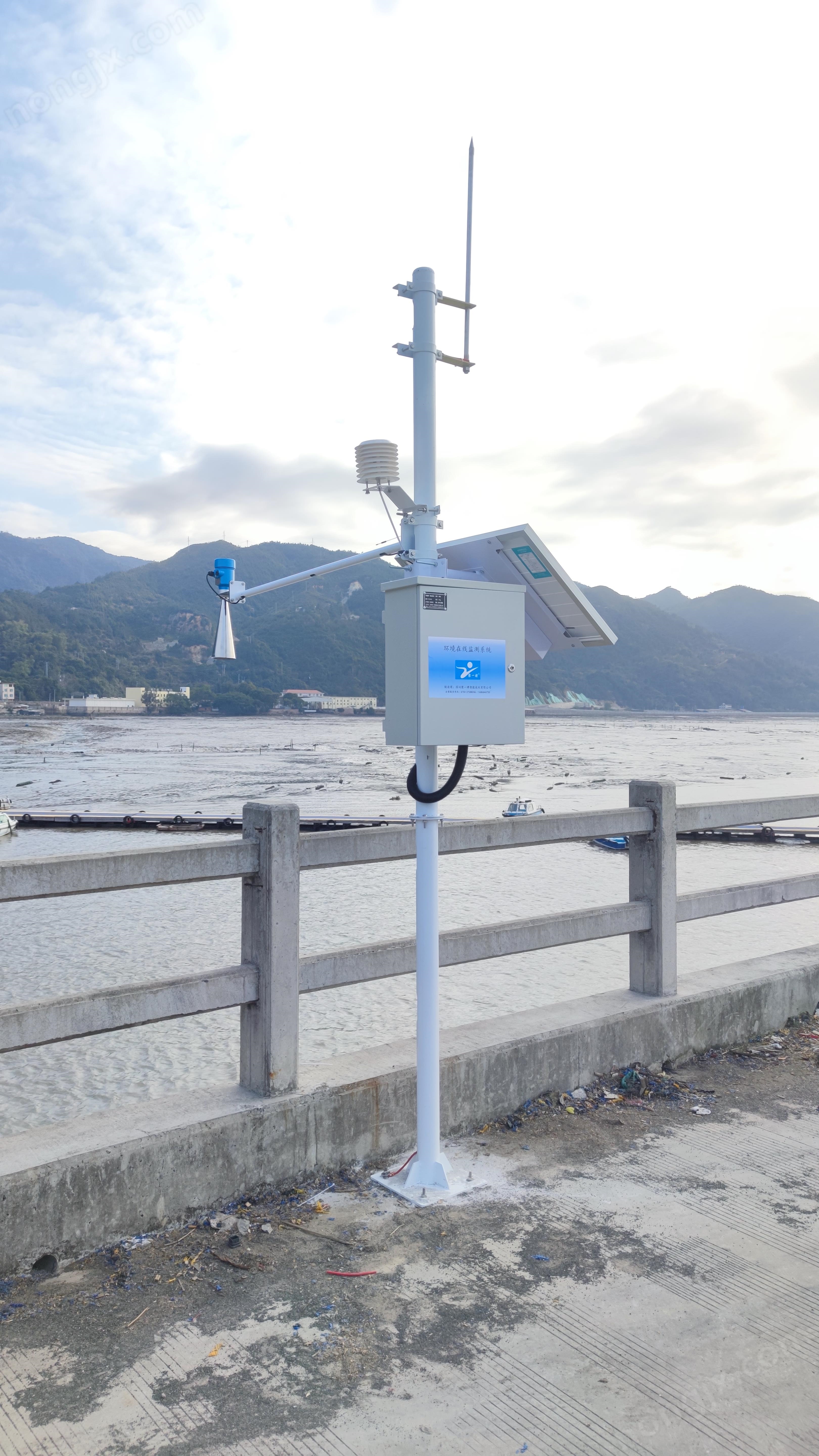
Intelligent Port Meteorological Station - Tide and Wave Integrated System Real time monitoring of tides, wind speed, direction, visibility, precipitation, and wave height, accurate warning of meteorological risks, and safeguarding the safety of every voyage. Through automated and high-precision continuous measurement, accurate water level dynamic information is provided to port management departments and ship drivers, effectively reducing navigation risks such as grounding and collision, optimizing port navigation scheduling, and becoming an important technical support for ensuring maritime traffic safety.
Product Details
Introduction:
Intelligent Port Meteorological Station - Tide and Wave Integrated SystemIt is a device specifically designed to monitor the meteorological environment in port areas, capable of automatically detecting multiple meteorological elements and transmitting data to a central station, providing important meteorological information support for the safe operation and efficient management of ports. Here is a detailed introduction about it:
Main functions
Meteorological element monitoring: Real time monitoring of conventional meteorological elements such as temperature, air pressure, humidity, wind direction, wind speed, precipitation, visibility, tidal water level, etc. Some port meteorological stations also monitor ocean elements such as waves, currents, tides, as well as related indicators such as salinity and air quality.
Data processing and transmission: It can actively collect data on various meteorological elements, preprocess and process the data with algorithms, form minute by minute values, and store them in the monitoring station memory, and then automatically upload them to the meteorological center or relevant user terminals. The upload frequency is usually 1 minute
Warning and forecasting: By analyzing real-time monitoring data, combining historical data and meteorological models, it is possible to issue warnings for severe weather conditions such as strong gusts, heavy rainfall, and dense fog, providing advance forecasts for port operations in order to take corresponding preventive measures.
Intelligent Port Meteorological Station - Tide and Wave Integrated SystemEquipment Composition
Sensors: including wind speed sensors, wind direction sensors, temperature sensors, humidity sensors, air pressure sensors, rainfall sensors, visibility sensors, etc., used to collect various meteorological element data.
Data collector: collects, processes, and stores data collected by sensors, and can manually set parameters such as collection intervals and thresholds.
Communication equipment: through4G/5GTransmit data to meteorological centers or related user terminals through satellite communication, Ethernet, and other methods.
Power supply system: Usually powered by mains electricity, solar panels, or wind solar complementary methods to ensure the continuous and stable operation of equipment.
Data processing and analysis system: Analyze and process the collected data to generate meteorological forecasts, warning information, and various meteorological products.
Site selection principle
Representativeness: It should be selected in locations that accurately reflect the meteorological characteristics of the port and surrounding areas, generally in areas such as port areas, anchorages, and approach channels.
Wide field of view: The observation site corresponds to the direction of the navigation channel and sea surface, which is basically unobstructed by obstacles to ensure the accuracy of meteorological element observation.
Suitable terrain: Observation stations built on the coast should be higher than the local tide levels over the years; Establish an observation station near the dock, with an altitude not lower than the working face height of the dock in the port area.
Avoid interference: Stay away from places where mobile communication base stations, tall structures, heat sources, and strong sunlight reflections can interfere with meteorological elements.


Similar Product Recommend


