-
E-mail
1151233686@qq.com
-
Phone
18920264562
-
Address
Northwest side of the intersection of Kaiyuan Road and Kai'an Road in Zhongbei Town, Xiqing District, Tianjin City
Product Categories
Tianjin Kean Instrument Technology Co., Ltd


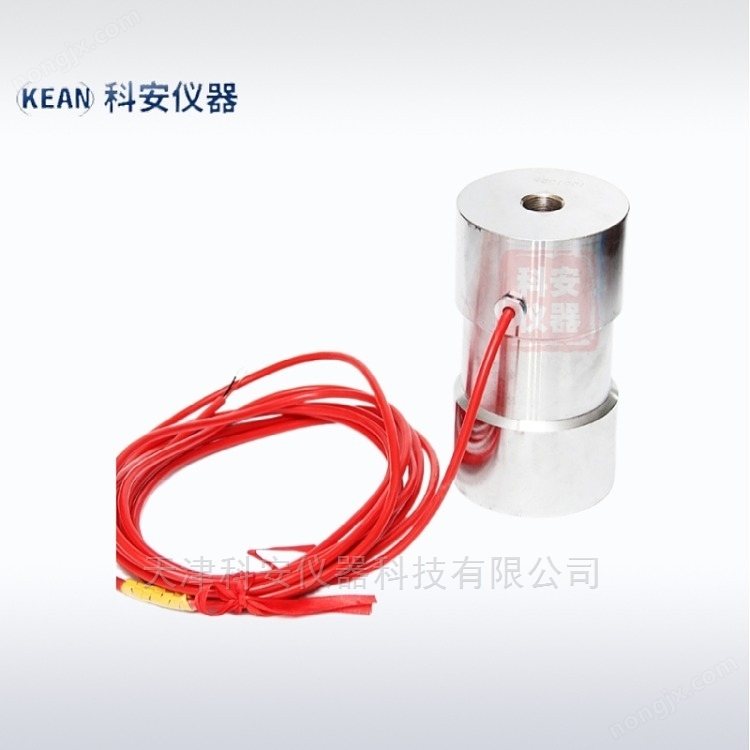
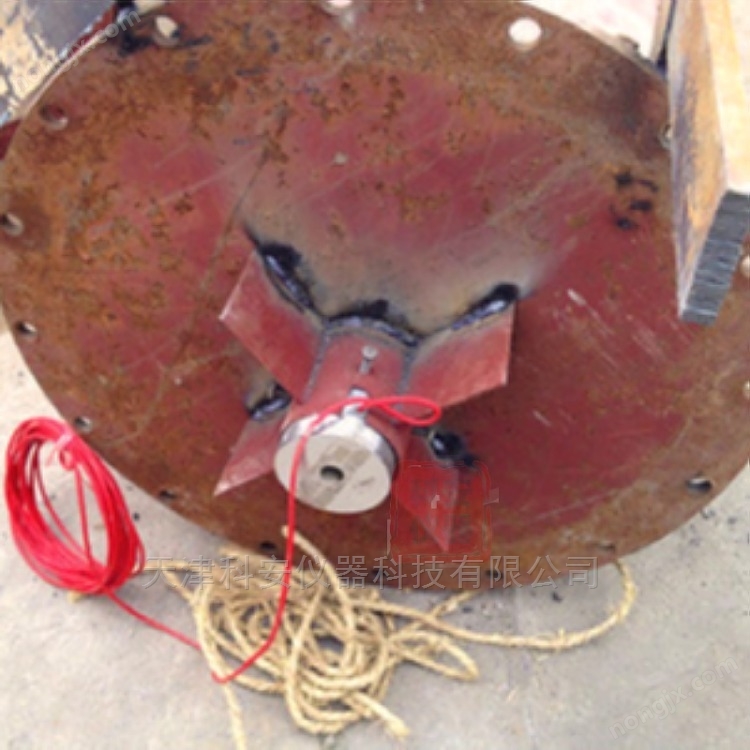
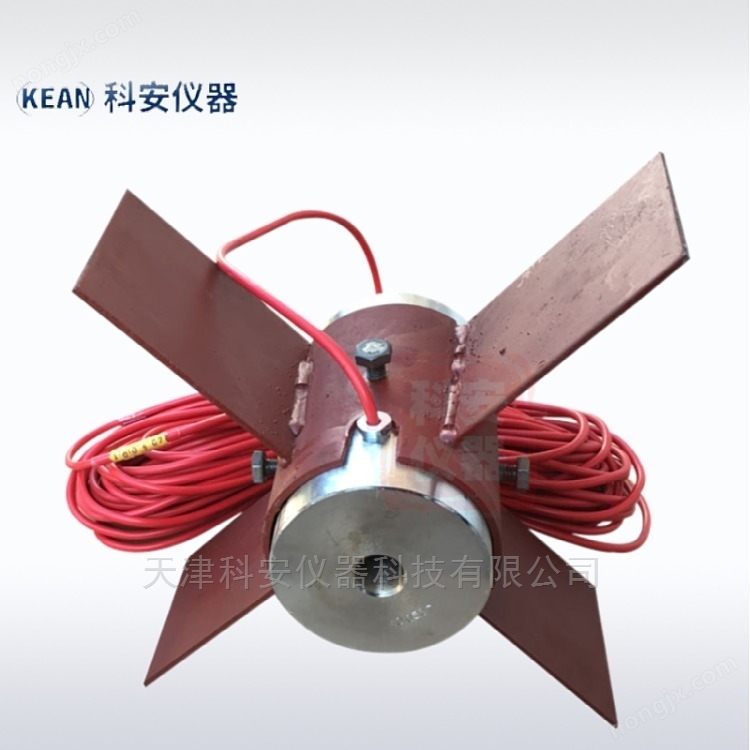
3500KN axial force meter
NegotiableUpdate on 01/18
- Model
- Nature of the Manufacturer
- Producers
- Product Category
- Place of Origin
Overview
The steel support axial force meter is used to monitor the reaction force of the foundation on the upper structure, and to measure the load during the steel support axial force and static pressure pole test. It is matched with an installation bracket and easy to install and operate.
Product Details
Steel support reaction force meterTechnical Specifications:
Product specifications: 50, 100, 150, 200, 250, 300, 400, 500, 600
Measurement range: 500, 1000, 1500, 2000, 2500, 3000, 4000, 000, 6000KN
Resolution ≤ 0.08% FS
Comprehensive error ≤ 2.0% FS
Installation precautions for 3000KN steel support axial force meter:
1) Steel support axial force adoptsSteel support reaction force meterDuring testing, it is necessary to determine the dimensions to be reserved before installation and consult with relevant units in a timely manner so that they can be considered during support fabrication.
2) Steel supports should not use reaction force gauges without ensuring support stability measures; It is not easy to use steel string axial force meters in positions such as corner braces where eccentricity is prone to occur in the direction of force.
3) Weld the unslotted end face of the circular steel cylinder mounting bracket of the reaction force meter firmly to the steel plate of the supporting fixed end section. During welding, the mounting bracket must be aligned with the center axis of the steel support and the installation center point (axial force).
4) Insert a 250mm × 250mm × 25mm steel plate between the reaction force meter and the wall (or purlin) to prevent the reaction force meter from sinking into the wall (or purlin) after the steel support is subjected to force, resulting in inaccurate measurement values.
5) The selected reaction force measurement range at the measuring point should match the design value.
Technical Specifications3000KN steel support axial force meter:
Product specifications: 50, 100, 150, 200, 250, 300, 400, 500, 600
Measurement range: 500, 1000, 1500, 2000, 2500, 3000, 4000, 000, 6000KN
Resolution ≤ 0.08% FS
Comprehensive error ≤ 2.0% FS