09,28,2026 18 views
Ten days for wheat harvest and half a month for autumn harvest, the profit window for agricultural machinery is limited to these few days. During the peak season, many companies are prone to falling into the misconception of "heavy delivery, light quality", relaxing quality inspection standards and allowing defects to be released in order to meet orders.
But the cruelty of the agricultural machinery industry lies in the fact that no one holds them accountable when they leave the factory, and the truth is only revealed after they land. A machine broke down in the field, and the machine operators in the surrounding areas knew the next day that 'this car is not working'. Every delivery volume snatched up during peak season, if we cannot work steadily in the field, the faster we snatch it, the more mines we will bury.
1、 Dilute storage and increase production, resolve production capacity conflicts in advance
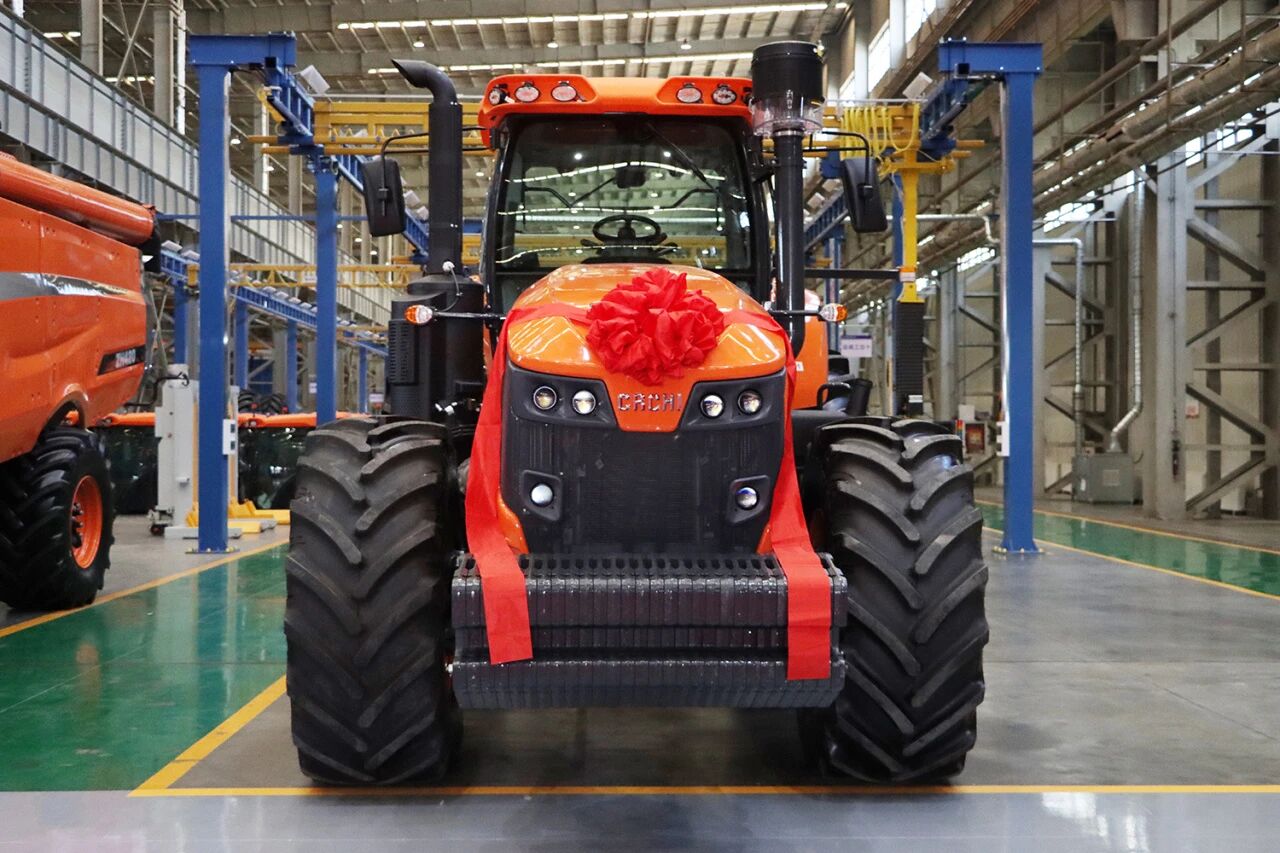
Prepare enough ammunition during the off-season, only dare to show off during the peak season. The balance between quality and quantity is never an equation solved on-site during peak seasons, but a mandatory question that should be done well during off-season. The core contradiction faced by agricultural machinery enterprises is the concentrated outbreak of peak season orders, full load operation of production lines, and once the previous process stalls, the entire line runs idle afterwards. The way to break the deadlock is to digest the variable parts in advance. The self-made rate of core components should be increased. During the off-season, the pace should be calm, and the raw materials, welded parts, and machined parts should be stocked up according to safety stock. During the peak season, the assembly line can be directly assembled and debugged without racing against the schedule in the previous process. Simultaneously using automated equipment to hedge against manual fluctuations - weldingRobotWill not cause insufficient weld penetration due to night shift fatigue, lasercutterThe tolerance will not drift due to rush work. Put the act of 'grabbing' in advance and complete it during the off-season, so that the peak season can have confidence and composure.

2、 Strictly adhere to the three red lines and rigidly lock in quality standards
One is that the core components will not be downgraded. No matter how urgent the order is, only purchase core components from compliant and qualified suppliers, strictly implement the full inspection system upon arrival, resolutely return non-conforming materials, and cut off quality hazards from the source.
The second is that the key processes do not shrink. For core processes such as welding penetration depth, coating thickness, assembly torque, and pipeline sealing, a triple quality control process of self inspection, mutual inspection, and special inspection will be implemented to eliminate the mentality of random inspection and achieve closed-loop control of the entire process.
Thirdly, the process documents should not be altered without authorization. During peak season, the BOM list and process standards will be completely frozen, and it is strictly prohibited for anyone to temporarily replace materials or save processes under the pretext of rushing the schedule. All process changes require approval from both the technical and quality departments, and are only applicable to subsequent batches, without affecting the products in production.
These three red lines are not ropes that bind hands and feet, but guardrails that protect enterprises.

3、 Extend the quality control boundary and define quality based on field reputation
The endpoint of agricultural machinery quality is not the factory workshop, but the fields and fields. The quality control system of an enterprise must extend from in-house production to the entire supply chain and end market. On the supply chain side, we strictly adhere to the mechanism of "qualified suppliers+full inspection upon arrival+traceability of key components", and would rather postpone production capacity than allow unqualified components to be installed and shipped out of the factory.
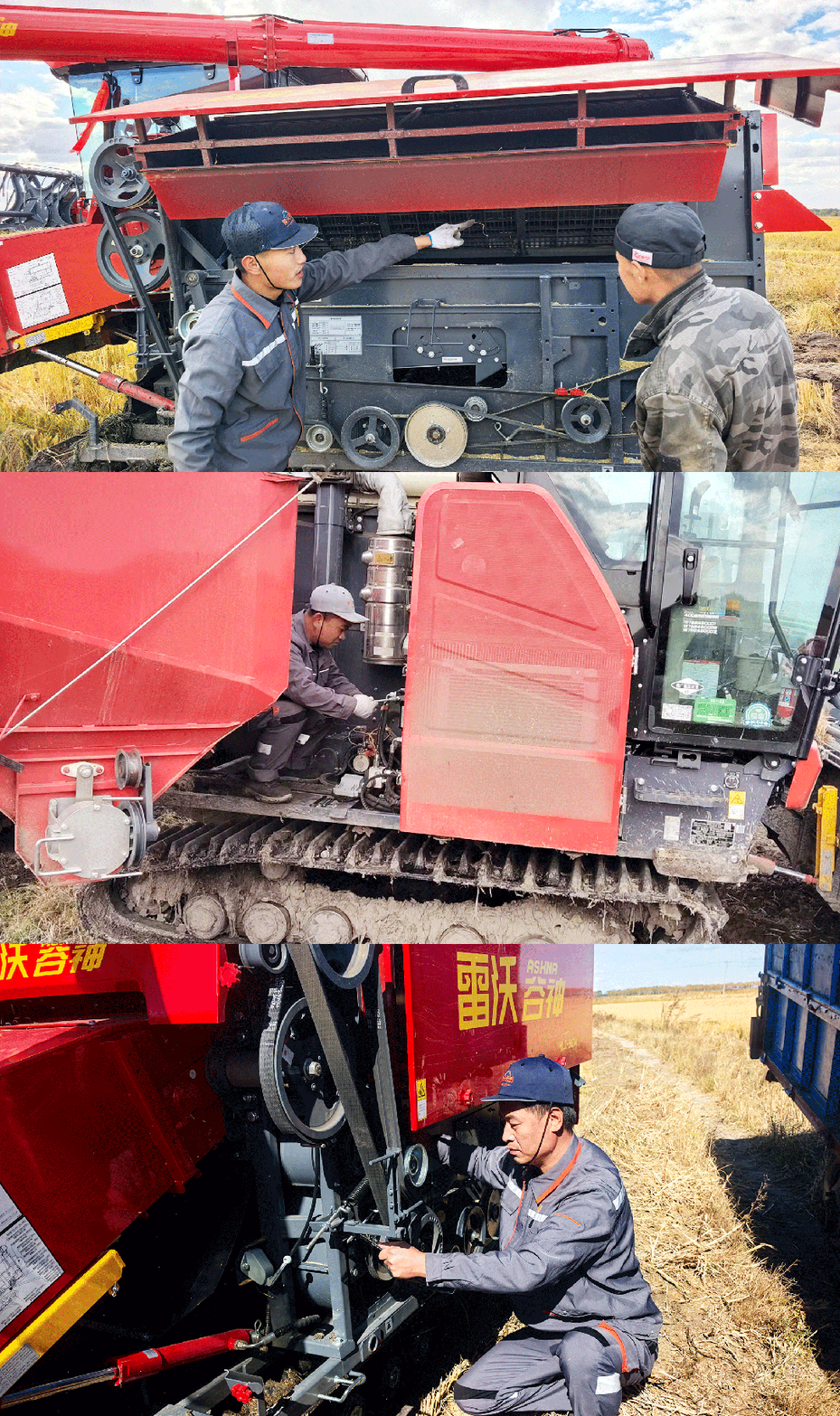
The market terminal needs to break the mindset of 'delivery is the end'. Even if the equipment sales are completed, it is necessary to continue to do a good job in terminal service guarantee, carry out new machine operation training, conduct first job follow-up, and provide timely service for the three guarantees, distinguish between equipment quality problems and improper operation problems, reduce ineffective repairs, and avoid user misunderstandings.
The evaluation criteria for the market are always simple and straightforward: stable operation of machines without collapsing is the best brand endorsement. All marketing campaigns cannot compare to the sustained and reliable performance in the field. The delivery heat during peak season will eventually fade away, but the reputation and quality trust rooted in the market that have settled in the hearts of users are the core confidence for enterprises to overcome cycles and continue to develop. Holding onto the bottom line of quality is to hold onto the future of the enterprise.