-
E-mail
3112757687@qq.com
-
Phone
15321659763
-
Address
Jining, Shandong
Product Categories
Shandong Hongde Industrial Co., Ltd


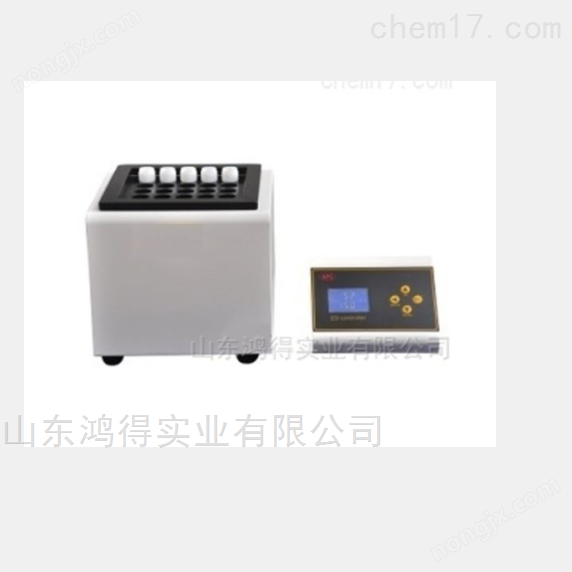
Graphite digestion instrument manufacturer
NegotiableUpdate on 01/17
- Model
- Nature of the Manufacturer
- Producers
- Product Category
- Place of Origin
Overview
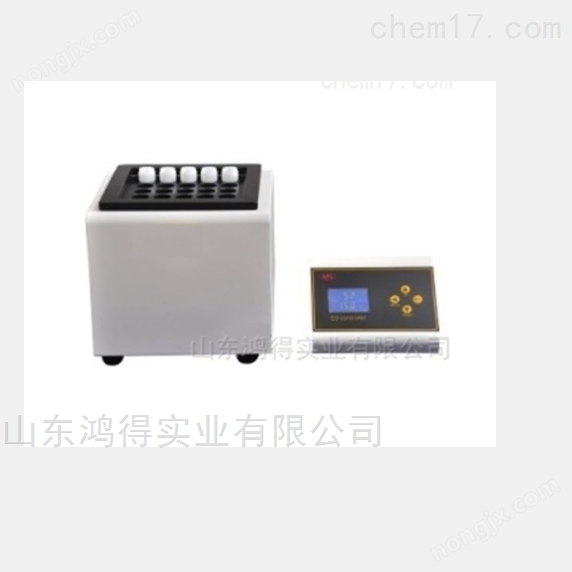
Electric graphite digestion instrument is a laboratory equipment used for sample pretreatment, mainly for digestion treatment of various samples.
Product Details
Electric graphite digestion instrumentIt is a laboratory equipment used for sample pretreatment, mainly for digesting various samples for subsequent analysis and detection. Its working principle is based on the efficient heating performance and good thermal conductivity of electric graphite. The electric graphite digestion instrument converts electrical energy into thermal energy through electric heating elements, evenly transfers it to the graphite block, and then transfers the heat to the sample container placed on it, thereby achieving heating and digestion of the sample.
(1) Heating principle
Graphite is used as the heating material, which has excellent thermal conductivity and stability, and can quickly and uniformly transfer heat to the sample container. Compared with traditional metal heating blocks, graphite has higher thermal conductivity, enabling faster heating and more uniform temperature distribution. In addition, the corrosion resistance and high temperature resistance of graphite enable it to work stably in harsh environments such as strong acids and alkalis, greatly improving the service life of equipment.
(2) Dissolution process
During the digestion process, the sample is usually placed in a corrosion-resistant container such as polytetrafluoroethylene (PTFE) or quartz. These containers are placed in the holes of graphite blocks, and the graphite blocks are heated by electric heating elements, which then evenly transfer the heat to the sample container. In high temperature and acidic or alkaline environments, organic and inorganic substances in the sample are decomposed to form soluble solutions, which facilitate subsequent analysis and detection.
2、 Advantages
(1) Efficient heating
The heating efficiency of the electric graphite digestion instrument is high, and it can heat the sample to the desired temperature in a short period of time. The high thermal conductivity of graphite ensures rapid heat transfer and greatly shortens the digestion time. Compared with traditional heating methods, the heating speed of the electric graphite digestion instrument is faster, which can significantly improve the efficiency of laboratory work.
(2) Uniform heating
The structural design of graphite blocks enables even distribution of heat, avoiding problems of local overheating or uneven heating. This uniform heating method helps to improve the digestion effect, ensure that the components in the sample can be fully decomposed, and reduce the risk of incomplete digestion.
(3) Strong corrosion resistance
Graphite has excellent corrosion resistance and can work stably in harsh environments such as strong acids and alkalis. This makes the electric graphite digestion instrument applicable to various chemical reagents, including concentrated acids, concentrated bases, etc., greatly expanding its application range.
(4) Easy to operate
The user-friendly interface allows users to control heating temperature and time through simple settings. Equipment is usually equipped with intelligent control systems that can automatically complete the digestion process, reducing human error and improving the repeatability and reliability of experiments.
(5) Safe and reliable
Equipped with various safety protection devices, such as overheating protection, leakage protection, etc., to ensure the safety of the equipment during operation. In addition, the sealing design of the equipment can effectively prevent acid mist leakage, protect the laboratory environment and the health of operators.
3、 Application Fields
(1) Environmental Science
Widely used in the field of environmental science for pre-treatment of soil, water samples, atmospheric particulate matter and other samples. By digesting these samples, heavy metals, organic pollutants, and other components can be extracted, providing support for subsequent environmental monitoring and analysis.
(2) Food testing
Used in food testing to process food samples, such as meat, vegetables, fruits, etc., to detect heavy metals, pesticide residues, additives, and other components. The digested sample can be used for analysis methods such as atomic absorption spectroscopy (AAS) and inductively coupled plasma mass spectrometry (ICP-MS) to ensure the safety and quality of food.
(3) Pharmaceutical industry
Used in the pharmaceutical industry for pre-treatment of drug intermediates and finished products to detect impurities and active ingredients. The digested sample can be used for analysis methods such as high-performance liquid chromatography (HPLC) and gas chromatography (GC) to ensure the quality and safety of the drug.
(4) Materials Science
Used in materials science to process various material samples, such as metals, alloys, composite materials, etc., to analyze their composition and structure. The digested samples can be used for analysis methods such as scanning electron microscopy (SEM) and transmission electron microscopy (TEM), providing support for material research and development.
(5) Geological exploration
In the field of geological exploration, it is used to process samples such as rocks and ores to extract metal elements and mineral components. The digested samples can be used for analysis methods such as X-ray fluorescence spectroscopy (XRF) and X-ray diffraction (XRD), providing data support for geological research and resource exploration.
correct operation
1、 Preparation before operation
(1) Check the equipment
Before using the electric graphite digestion apparatus, the appearance and internal structure of the equipment should be carefully inspected to ensure that it is in good working condition. Check whether the electric heating elements, graphite blocks, temperature sensors and other components are normal, and whether the power cords and grounding devices of the equipment are intact.
(2) Prepare samples
Prepare the sample to be digested according to the experimental requirements. The sample should be placed in a suitable container, such as a polytetrafluoroethylene (PTFE) or quartz container. Ensure good sealing of the sample container to avoid leakage during the digestion process.
(3) Add reagents
According to the properties of the sample and the digestion requirements, add an appropriate amount of digestion reagents such as concentrated acid, concentrated alkali, etc. When adding reagents, appropriate protective equipment such as gloves, goggles, etc. should be worn to avoid harm to the skin and eyes caused by the reagents.
2、 Operation steps
(1) Place the sample
Place the container containing the sample in the hole of the graphite block, ensuring good contact between the container and the graphite block. Reasonably arrange the placement of samples based on their quantity and volume to avoid collisions between sample containers.
(2) Set parameters
According to the experimental requirements, set the heating temperature and time for the electric graphite digestion instrument. Enter the required temperature and time parameters through the device's operating interface, and start the device. The equipment will automatically heat and digest according to the set parameters.
(3) Monitoring process
During the digestion process, close attention should be paid to the operating status of the equipment, including parameters such as temperature and pressure. If there are any abnormal situations, such as high temperature, excessive pressure, etc., the machine should be stopped immediately for inspection. Meanwhile, pay attention to observing the digestion of the sample to ensure a smooth digestion process.
(4) End dissolution
After the digestion process is completed, the equipment will automatically stop heating. At this point, the equipment should be allowed to cool naturally to room temperature, avoiding direct contact with high-temperature graphite blocks and sample containers. After cooling, carefully remove the sample container for subsequent analysis and testing.
3、 Cleaning after operation
(1) Clean the graphite blocks
After the digestion is completed, the residue on the graphite block should be cleaned up in a timely manner. Gently wipe the surface of the graphite block with a soft bristled brush or cotton swab to remove residual reagents and samples. When cleaning, avoid using hard objects to scratch the graphite block to avoid damaging the surface of the graphite.
(2) Clean the sample container
After removing the sample container, the residue inside the container should be cleaned immediately. Rinse the container with an appropriate amount of deionized water or distilled water to ensure that there are no residual reagents or samples inside the container. The cleaned container should be properly stored for future use.
(3) Equipment maintenance
Regularly maintain and upkeep the electric graphite digestion instrument to ensure its long-term stable operation. Check the electrical heating elements, temperature sensors, and other components of the equipment, and replace them if necessary. Regularly clean the interior and exterior of the equipment to maintain its cleanliness and tidiness.
Selection and usage guide for electric graphite digestion instrument
1、 Key points for purchasing
(1) Function and Performance
Select an electric graphite digestion instrument with appropriate functions and performance according to the specific needs of the laboratory. Consider factors such as heating power, temperature range, temperature control accuracy, and digestion capacity of the equipment to ensure that it can meet experimental requirements.
(2) Safety and Environmental Protection
The electric graphite digestion instrument generates harmful gases such as acid mist during use, so the safety and environmental protection of the equipment are very important. Choosing equipment equipped with acid mist absorption devices and safety devices such as overheat protection and leakage protection can effectively protect the laboratory environment and the health of operators.
(3) Price and cost-effectiveness
When choosing an electric graphite digestion instrument, the price and cost-effectiveness of the equipment should be comprehensively considered. Although equipment with higher prices usually has better performance and quality, it is also necessary to make reasonable choices based on the actual needs and budget of the laboratory. Choosing cost-effective equipment can ensure experimental quality while reducing laboratory operating costs.
2、 Precautions for use
(1) Operating standards
Familiar with operating procedures: Before using the electric graphite digestion instrument, the operator must carefully read the equipment's operating instructions, familiarize themselves with the various components and functions of the equipment, and master the correct operating procedures. Only after Wan fully understands the usage method of the device can they start operating.
Wear protective equipment: Due to the potential hazards such as acid mist and high temperature during the digestion process, operators must wear appropriate protective equipment, such as acid and alkali resistant gloves, goggles, lab coats, etc., to protect their own safety.
Adhere to the operating sequence: Strictly follow the operating sequence of the equipment to avoid equipment damage or safety accidents caused by improper operation. For example, before starting the equipment, it should be ensured that all sample containers have been correctly placed on the graphite blocks and that the digestion reagents have been added.
(2) Sample processing
Choose the appropriate container: Select the appropriate sample container based on the properties and digestion requirements of the sample. Common container materials include polytetrafluoroethylene (PTFE), quartz, etc., which have good corrosion resistance and high temperature resistance. Ensure good sealing of the container to avoid leakage during the digestion process.
Control sample quantity: When adding samples, the amount of samples should be controlled to avoid incomplete digestion or excessive pressure in the container caused by too many samples. Generally speaking, the volume of the sample should not exceed one-third of the container's capacity.
Add reagents: According to the properties of the sample and the digestion requirements, add an appropriate amount of digestion reagents. Common digestion reagents include concentrated acids (such as nitric acid, sulfuric acid, hydrochloric acid, etc.), concentrated bases, etc. Be careful when adding reagents to avoid splashing or contact with the skin.
(3) Equipment monitoring
Monitoring temperature and time: During the digestion process, close attention should be paid to the temperature and time settings of the equipment to ensure that it operates according to the preset parameters. If there is any abnormal situation, such as high temperature or prolonged time, the machine should be stopped immediately for inspection.
Observe the digestion status: Observe the digestion status of the sample through the observation window or transparent cover of the device. If incomplete digestion or abnormal reactions are found in the sample, the digestion parameters should be adjusted or the digestion should be stopped in a timely manner.
Pay attention to abnormal sounds and odors: During the operation of the equipment, pay attention to whether there are any abnormal sounds or odors. If there is any abnormality, the machine should be stopped immediately for inspection, and the fault should be eliminated before continuing to use.
(4) Equipment maintenance
Regular cleaning of equipment: After each use, the equipment should be cleaned promptly, including graphite blocks, sample containers, equipment surfaces, etc. Gently wipe the surface of the graphite block with a soft bristled brush or cotton swab to remove residual reagents and samples. When cleaning, avoid using hard objects to scratch the graphite block to avoid damaging the surface of the graphite.
Check equipment components: Regularly inspect the electrical heating elements, temperature sensors, acid mist absorption devices, and other components of the equipment to ensure their normal operation. If there is damage or aging, it should be replaced in a timely manner.
Keep equipment dry: When storing equipment, it should be kept dry to avoid moisture or corrosion. The equipment should be stored in a well ventilated and temperature appropriate environment.
(5) Safety precautions
Avoid contact with acid mist: Acid mist is generated during the digestion process, which can be irritating to the respiratory tract and skin of the human body. Operators should avoid direct contact with acid mist and may wear masks or use ventilation equipment if necessary.
Prevent burns: The equipment generates high temperatures during operation, and operators should avoid direct contact with graphite blocks and sample containers to prevent burns. When taking out the sample container, heat-resistant gloves should be used.
Emergency stop: If there is an abnormal situation with the equipment, such as smoking, leakage, acid mist leakage, etc., the emergency stop button should be immediately pressed to cut off the power supply. Before troubleshooting, do not restart the device.
Through the introduction of the above usage precautions, we hope to help operators better use and maintain the electric graphite digestion instrument, ensuring the safe operation of the equipment and the smooth progress of experiments.
