-
E-mail
444861877@qq.com
-
Phone
13641972652
-
Address
No. 253 Yulu, Jiading District
Ankerui Electric Co., Ltd
The Future Development Trends and Solutions of Zero Carbon Parks
Date: 2025-11-03Read: 71
The Future Development Trends and Solutions of Zero Carbon Parks
Jiangsu Ankerui Electric Appliance Manufacturing Co., Ltd. Jiangyin 214405, Jiangsu
Abstract:Since the establishment of the zero carbon industrial park in Ordos, Inner Mongolia in October 2021, the construction of industrial parks with the theme of "zero carbon" has become a trend, and zero carbon industrial parks have welcomed policy winds. Since the beginning of this year, ten provinces (autonomous regions, municipalities directly under the central government) have successively issued policy documents related to zero carbon industrial parks. Smart parks are the core units of industrial agglomeration development, and also the most important and extensive spatial carriers for China to promote new urbanization and implement the strategy of building a strong manufacturing country. They have become the "bull's nose" that China must hold to achieve its "dual carbon" goals. This article analyzes the key development points of zero carbon smart parks in the future, looks forward to the development connotation of zero carbon smart parks in the future, and hopes to provide reference for the builders of zero carbon smart parks.
Keywords:Zero carbon; Smart Park; Policy; Ecology; Application; whole; wisdom
1. Overview
With the popularity of the zero carbon concept, the construction of smart parks with this theme has become a new trend. From local governments to energy companies, enthusiasm is high, and policies and investments are being made generously. The construction of zero carbon smart parks is a complex systematic project that requires the integration of the concept of "carbon neutrality" throughout the entire lifecycle of park planning, construction, and management. The realization of zero carbon smart parks cannot be achieved without the support of various means such as energy conservation, emission reduction, carbon sequestration, and carbon sequestration. At the same time, it is necessary to achieve a balance between carbon emissions and absorption within the park through low-carbon industrial development, green energy transformation, facility agglomeration and sharing, resource recycling, and intelligent management of carbon elements, in order to achieve deep integration of production, ecology, and life. The construction of zero carbon smart parks requires clear goals, visions, and construction ideas, building the ability guarantee for zero carbon transformation, and relying on key technologies and elements to support it, and continuously promoting it based on effective paths. As a "zero carbon" strategist, a zero carbon smart park needs to strike a balance between economic growth and carbon constraints, and gradually explore the practical path of implementing the "zero carbon" strategy, under the premise that the relevant mechanism and institutional environment are not yet perfect, the framework and construction path are not clear, and the relevant technical conditions are still immature.
2. Development analysis
2.1 Evolution from policy single point layout to increasingly complete mechanism environment
Since the goal of China's carbon peak and carbon neutrality, hereinafter referred to as "dual carbon", has been proposed, the intensity of China's emission reduction policies has been continuously increased. From the national to the local level, various policies have been followed up and refined, and a combination of policies have been launched. The Ministry of Housing and Urban Rural Development, the Ministry of Ecology and Environment, the Ministry of Science and Technology, the Ministry of Finance, the Ministry of Industry and Information Technology, and relevant agencies of the State Council have all issued policies targeting "dual carbon", and the institutional environment continues to improve. At present, relevant departments in China have made arrangements for future emission reduction work, with clear directions. Among them, the National Development and Reform Commission has proposed an overall layout for the "dual carbon" work from six major areas: adjusting the energy structure, transforming the industrial structure, improving energy utilization efficiency, promoting low-carbon technology research and development, improving the low-carbon development system and mechanism, and ecological carbon sink, which can be regarded as a leading arrangement. Based on the policies already issued and in progress by various ministries, the energy and industrial sectors are the main policy subjects and key focus areas. The goals of energy transformation in the energy sector and steel pressure reduction in the industrial sector are both very clear. In addition to direct regulation of the energy and industrial sectors, finance, ecology, technology, and other fields will also become the main focus, and relevant policy mechanisms will be continuously improved to provide solid guarantees for the timely achievement of the dual carbon goals. In the financial field, the construction of China's green finance system is steadily developing, and the issuance of green bonds, the future green finance system, and related fiscal and tax policies for the green low-carbon market are expected to be further improved. In the field of science and technology, the Ministry of Science and Technology will increase efforts to tackle carbon reduction technology. In the field of ecology, the coverage of China's carbon market will gradually expand, encouraging enterprises to carry out energy conservation and emission reduction through the guiding role of price signals. The working group on carbon emission statistics and accounting is accelerating the establishment of a unified carbon emission statistics and accounting system, providing a basis for formulating emission reduction policies and various entities to take emission reduction actions.
2.2 Zero carbon will evolve from passive to active ecology
With the gradual establishment of a zero carbon mechanism environment and the formation of a zero carbon atmosphere, cities, parks, enterprises, and residents will receive effective incentives from zero carbon construction, gradually shifting from passive acceptance to active participation and promotion. Under the guidance of the government, they will work together to build a low-carbon society. As the supplier of low-carbon systems and the regulator of system implementation, the government actively improves top-level design, strengthens policy guidance, and coordinates the formulation of overall plans and specific measures to ensure the steady progress of the "dual carbon" work. Industry enterprises should play a leading role in implementing new development concepts such as innovation, coordination, green, openness, and sharing, continuously improve their ability and level of implementation, meet the requirements of high-quality development, accelerate the transformation and upgrading of traditional industries and the development of intelligent manufacturing, focus on the "dual carbon" goal, build a cost-effective and efficient social energy consumption model, and accelerate the industrial green and low-carbon transformation. The general public consciously carries out activities to create a green lifestyle, advocating for a simple, moderate, green, and low-carbon production and lifestyle, and cultivating green, healthy, and safe consumption habits. In July 2021, at the first China Carbon Neutrality Map and Zero Carbon City Summit, government think tanks, central enterprises, and local governments jointly launched the "100 Cities, 1000 Enterprises Zero Carbon Action" to jointly build high-level zero carbon enterprises, zero carbon smart parks, zero carbon industry clusters, and zero carbon cities. In the future, a new pattern of "dual carbon" construction will gradually form through government leadership, policy guidance, market regulation, joint participation of enterprises and the whole society, and overall implementation, continuous promotion, co construction, co governance and sharing.
2.3 Zero carbon will evolve towards production and daily applications
Carbon account, carbon finance, carbon credit, carbon inclusive and other types of services are gradually being implemented and deeply integrated into practical solutions along the scene. Flexible solutions and service packages are provided to enterprises and residents, and through continuous enrichment and innovation of product types and forms, they serve the production and living ecology, providing long-term, stable and reliable systematic support for the realization of the dual carbon goal. With the market-oriented operation of national carbon trading, the carbon account mechanism has been established first. By clarifying the responsibilities of various relevant parties in carbon reduction, the decomposition and implementation of carbon reduction responsibilities have been achieved, and substantial progress has been made in promoting green transformation. In this context, various regions have established carbon account systems based on their own situations, such as industrial carbon accounts, agricultural carbon neutrality accounts, and personal carbon accounts, as well as four different carbon account systems including bank institution carbon accounts, bank employee carbon accounts, enterprise customer carbon accounts, and personal carbon accounts, in order to promote the green and low-carbon transformation of key areas such as industry, enterprises, and residents' lives. On the basis of the personal carbon account system, the construction of personal carbon accounts will gradually deepen, and business scenarios will continue to cover all aspects of social life, such as electricity and water use, transportation carbon emissions, public welfare activities, etc. At the same time, carbon account points will also be combined with bank ratings, personal carbon credits, etc., to help build a green credit system. Correspondingly, the government will also guide financial institutions to innovate financial products and services based on carbon emission information, strengthen financial support for low-carbon, carbon reduction, decarbonization and other fields, and empower the "dual carbon" work to move deeper and higher levels.
2.4 Zero carbon will evolve from local to global
Nationwide, various distinctive and differentiated zero carbon smart park practices continue to be implemented, dynamically optimizing experience summary, forming models, and spreading nationwide. The Ministry of Ecology and Environment has issued a notice on promoting carbon peak and carbon neutrality in national ecological industrial demonstration parks, requiring each park to make "dual carbon" an important part of the construction of national ecological industrial demonstration parks, form a "dual carbon" work plan and implementation path, and promote demonstration parks in stages and steps ahead of the whole society, achieving carbon peak before 2030 and comprehensive carbon neutrality before 2060. This indicates that industrial parks represented by ecological industrial parks have gradually become one of the precise levers to achieve the "dual carbon" goal, and have begun to explore the path of zero carbon smart park construction, playing a demonstrative role in promoting collaborative efficiency in pollution reduction and carbon reduction, and promoting regional green development. Since the 13th Five Year Plan proposed the "Implementation of Near Zero Carbon Emission Zone Demonstration Projects", many regions in China have actively carried out pilot demonstration project construction work and achieved significant results, exploring unique experience models and innovative paths. For example, as a national low-carbon pilot province, Guangdong has carried out zero carbon emission construction according to local conditions. Currently, it has basically established a multi-level pilot demonstration system including cities, towns, parks, communities, enterprises, and products. With the continuous strengthening of driving forces such as policies, technology, funding, and talent, the construction process of zero carbon smart parks will continue to accelerate and deepen their practical application in the future.
2.5 Zero carbon empowerment management evolves towards smart applications
With the continuous construction and operation of energy big data centers, the integration and fusion of major economic and social indicators, carbon emissions, meteorological and other related data are accelerating, gradually supporting the "dual carbon" smart judgment and independent optimization, assisting the government in scientific decision-making, enterprise lean management, and serving the public in smart energy use. On the supply side, by aggregating and analyzing data such as carbon dioxide emissions from power generation and grid enterprises, accurate decision-making basis can be provided for power generation and grid enterprises to control and manage the carbon emissions of power plants, units, and equipment. Furthermore, based on the data, detailed analysis of lost electricity can be carried out to achieve operational optimization, intelligent monitoring, and improve power generation efficiency. On the demand side, enterprises or parks can use intelligent devices to real-time grasp carbon emission data from various stages of production and operation, conduct carbon emission data analysis, identify emission reduction opportunities throughout the entire industry chain, and develop corresponding operational optimization measures to achieve lean operation while reducing carbon emissions. In addition, by measuring and dynamically monitoring the total carbon emissions and carbon emission intensity per unit of GDP of various regions, industries, and even enterprises, carbon footprint tracking and control can be achieved, which helps relevant departments such as the government and regulatory agencies to timely understand the carbon emissions situation and carbon neutrality development process of enterprises, assist government governance, scientific decision-making, and efficient planning. On this basis, a comprehensive assessment model for carbon neutrality is constructed to analyze the trends of carbon emissions and peak carbon emissions, and to achieve digital analysis and judgment of carbon peak processes in different fields, regions, and industries, supporting precise government control.
3、 What solutions can Ankerui provide for the construction of zero carbon parks
As a professional provider of smart energy management solutions, Ankrui can provide solutions for the construction of zero carbon parks, including carbon metering meters, distributed photovoltaics, distributed energy storage, orderly charging of electric vehicles, and park smart energy management platforms. It provides an integrated solution of "cloud edge end" for the construction of zero carbon parks, and uses the "cloud edge collaboration" smart strategy to help parks fully utilize new energy and clarify the roadmap for reducing carbon costs and benefits.
2.1 Carbon meter
Carbon meters are a new type of measuring tool that emerged to help us better understand and calculate the carbon emissions of enterprises in electricity use. Its working principle is to dynamically calculate and update the electricity carbon factor, which is the average carbon emissions per kilowatt hour, based on actual electricity consumption measurement data and factors such as usage conditions and regions. This value is updated in real-time and can truly reflect the carbon emissions of the enterprise's electricity use. The emergence of carbon meters is of great significance to enterprises. With these data, enterprises can track the carbon emissions during the product production process, optimize the power structure based on carbon emissions, and develop more green and low-carbon production models.
The AEM96 three-phase multifunctional carbon meter integrates three-phase power parameter measurement, time-sharing energy measurement, and carbon emission statistics. It integrates carbon settlement function based on the electricity carbon conversion factors of different operating conditions, including 12 sets of carbon emission values and corresponding carbon emission factors. It can calculate and provide real-time carbon emissions for enterprise production electricity, making carbon emissions as easy to record as electricity. With the Ankerui carbon asset management platform, it greatly simplifies the carbon emission statistics work of enterprises.
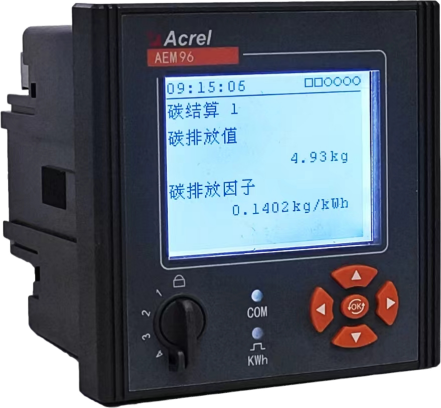
Figure 1 AEM96 Three phase Multi functional Carbon Meter
2.2 Distributed Photovoltaic Solutions
With the development of new power systems and the successive issuance of the National Energy Development and Reform Commission's New Energy Regulations [2025] No. 7 and Development and Reform Commission's Price [2025] No. 136, the construction of distributed photovoltaics is increasingly facing issues related to grid connection, operational safety, and energy management, and cannot be used immediately after construction. The power supply department has requirements for the grid protection, stability control system, power quality, and communication with dispatch of distributed photovoltaic power plants.
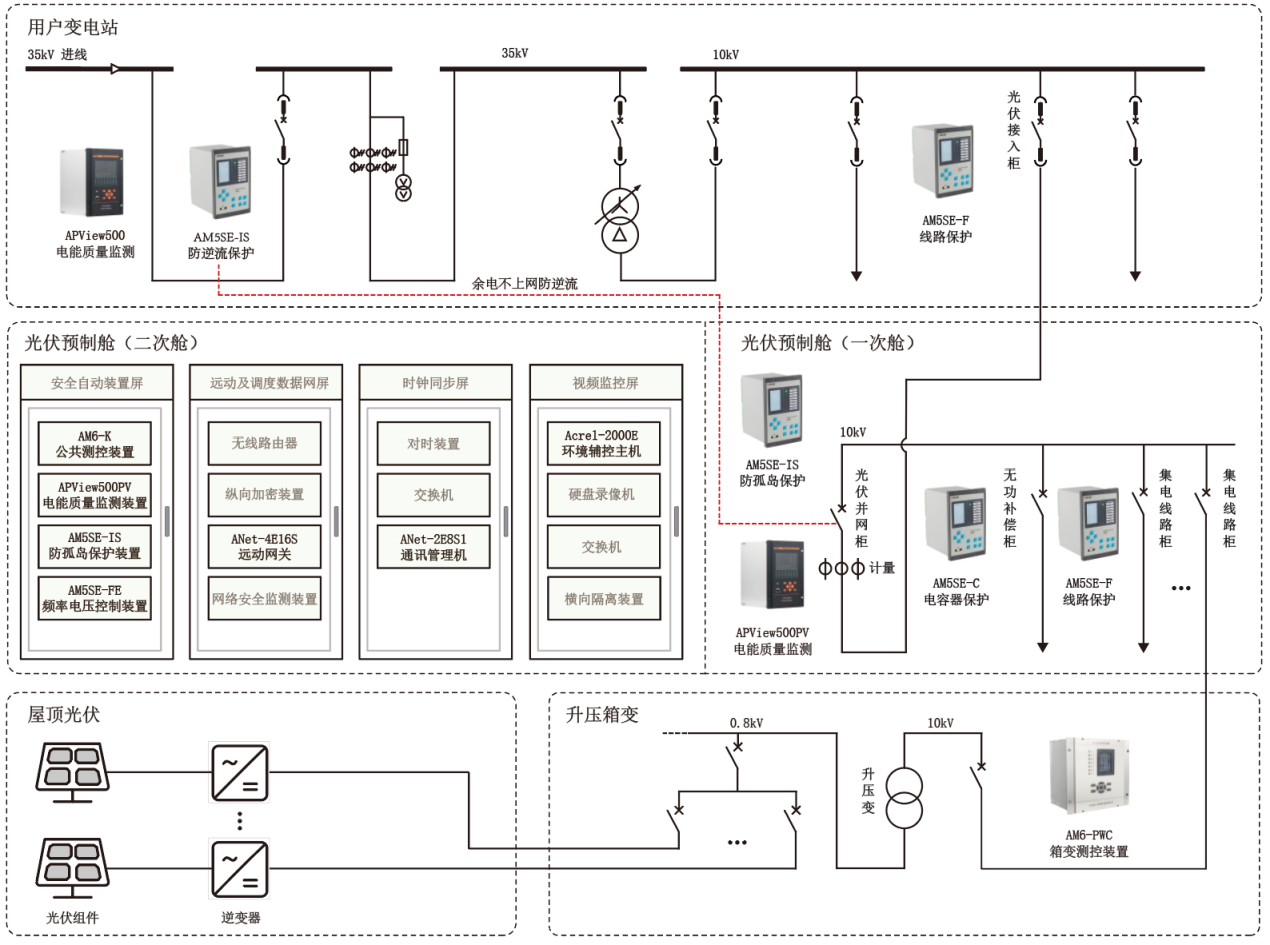
Figure 2 Distributed Photovoltaic Construction System Diagram
According to relevant standards and specifications such as the "Technical Regulations for Distributed Power Grid Access" and the "Interim Measures for Power Quality Management", the grid connection points of photovoltaic power stations need to monitor the power quality of the grid connection points;
Install anti islanding protection devices at grid connection points in accordance with the "Technical Regulations for Distributed Power Grid Access" to prevent islanding operation of photovoltaic power plants;
Installation of State Grid energy meters and remote control devices at grid connection points for uploading photovoltaic power generation data, to be determined by the local power supply department;
For systems that are self used and do not have surplus electricity connected to the grid, anti backflow protection devices need to be installed at the public connection points to operate, cut off, or adjust the photovoltaic inverters. Different control strategies can be used according to requirements.
Configure State Grid vertical encryption authentication device, forward/reverse isolation device, network security monitoring device, remote control gateway, etc., and accept power grid dispatch according to the data format and security requirements of the power grid;
The photovoltaic monitoring system needs to collect data from inverters, box transformers, protection and measurement devices, power quality monitoring devices, anti islanding protection, power metering, etc. in the station, and monitor them in real time at the local workstation. The data also needs to be uploaded to the power grid dispatch system to accept power grid dispatch;
According to the needs of the local power supply department, configure optical power prediction system, AGC/AVC system, microcomputer error prevention system, "four possible" system, etc., and upload data to the dispatch system.
Secondary equipment related to distributed photovoltaic construction:
Application scenarios |
picture |
model |
function |
10kV incoming cabinet |
|
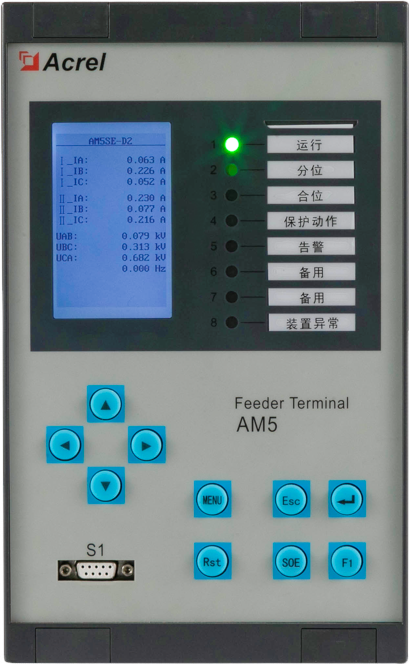
AM5SE-FBF Line Protection Device |
Three stage overcurrent protection, two-stage zero sequence overcurrent protection, synchronous/no voltage three-phase primary reclosing, low-frequency load shedding and other protection functions; Bidirectional overcurrent protection can be set, with different directional overcurrent protection settings. |
|
APView500BF power quality monitoring device |
Collect incoming voltage and mains current to monitor the power quality on the mains side, including steady-state data such as voltage deviation, frequency deviation, 2-63rd harmonic, 0.2-62.5 harmonic, voltage fluctuation, and voltage flicker; Voltage dip, voltage rise, short-term interruption; Voltage transient and current transient. |
|
10kV transformer outgoing cabinet |
|
AM5SE-TBF Transformer Protection Device |
Three stage overcurrent protection, two-stage zero sequence overcurrent protection, overload protection, high temperature and over temperature protection, gas protection and other protection functions; Collect signals such as circuit breaker opening and closing positions, handcart working test positions/grounding knife switch positions; Remote control opening and closing function of circuit breakers; Measure the three-phase voltage parameters U, I, P, Q, PF, f, Ep, Eq, etc. of the circuit. |
10kV photovoltaic grid connected cabinet |
|
AM5SE-ISBF anti islanding protection device |
Low voltage protection, automatic closing with voltage detection, overvoltage protection, low-frequency load shedding, high-frequency tripping, frequency sudden change tripping, three-stage overcurrent protection, two-stage zero sequence overcurrent protection, synchronous/non voltage three-phase primary reclosing protection function; Collect signals such as circuit breaker opening and closing positions, handcart working test positions/grounding knife switch positions; Remote control opening and closing function of circuit breakers; Measure the three-phase voltage parameters U, I, P, Q, PF, f, Ep, Eq, etc. of the circuit. |
|
APView500PVBF power quality monitoring device |
Collect grid connected cabinet voltage and grid connected cabinet current to monitor the power quality on the photovoltaic power generation side, mainly including steady-state data such as voltage deviation, frequency deviation, 2-63rd harmonic, 0.2-62.5 harmonic, DC component, voltage fluctuation, voltage flicker, etc; Voltage dip, voltage rise, short-term interruption. |
|
Automatic device cabinet |
|
AM5-FEBF frequency and voltage emergency control device |
Collecting bus voltage to achieve multiple rounds of low-frequency load shedding and multiple rounds of low-voltage load shedding to ensure that frequency and voltage are restored to normal values. |
AM5-FABF fault disconnection device |
Monitor parameters such as voltage and current at the grid connection point. When a fault is detected, the device will automatically disconnect based on the type and location of the fault, trip the grid connected circuit breaker, and ensure that the fault does not further escalate. |
||
Boosting box transformer |
|
AM6-PWCBF Box Transformer Measurement and Control Device |
Integrated protection, measurement and control, and communication device, supporting three-stage current protection, zero sequence current protection, overvoltage protection, and low-voltage protection; Zero sequence overvoltage protection, as well as non electric quantity protection, can measure three-phase current, three-phase voltage, frequency, power factor, active power, and reactive power. It has two self-healing fiber optic communication interfaces and can form a fiber optic ring network. |
monitoring software |
|
Acrel-1000DPBF Integrated Automation System for Photovoltaic Power Station |
Distributed photovoltaic power station integrated automation system, including telemetry, remote signaling, and remote control AGC/AVC、 Optical power prediction, anti backflow protection monitoring, scheduling data docking, etc., meet the requirements of observability, measurability, controllability, and adjustability. |



2.3 Distributed Energy Storage Solutions
Energy storage systems, as reservoirs and transfer stations for photovoltaic power generation, play an important role in the process of absorbing photovoltaic power generation, and are constructed in zero carbon parks.
According to the requirements of GB/T 36547-2018 "Technical Regulations for Electrochemical Energy Storage Systems Connected to the Power Grid", the microcomputer protection configuration of the energy storage system requires: AM5-IS anti islanding protection should be configured at the grid connection point of the energy storage power station. In case of unplanned islanding, it should be activated within 2 seconds to disconnect the energy storage power station from the power grid.
Regarding the setting of energy storage system metering points: If the energy storage system is connected to the internal power grid of the park, the metering points are set at the grid connection point.
The energy storage unit should have insulation monitoring function. When the insulation of the energy storage unit is low, it should be able to issue an alarm and/or trip signal to notify the energy storage converter and computer monitoring system. If the BMS or PCS does not have insulation monitoring function, a separate DC insulation monitoring device can be configured.
The power quality of the energy storage system connected to the public power grid through 10kV should meet the requirements of GB/T19862 with a power quality monitoring device. When the power quality indicators of the energy storage system do not meet the requirements, an online power quality monitoring device should be configured to monitor the power quality of the grid connection point.

Figure 3 Energy Storage System Diagram
Selection of secondary equipment for energy storage system
name |
picture |
model |
function |
application |
Microcomputer protection device |
|
AM5SE-ISBF |
Anti islanding protection device, which disconnects from the external power grid after a power outage and has anti backflow monitoring and protection functions. |
Consolidation point or property boundary point |
Power quality monitoring device |
|
APView500PVBF |
Real time monitoring of power quality such as voltage deviation, frequency deviation, three-phase voltage imbalance, voltage fluctuations and flicker, harmonics, etc., recording various power quality events, and locating disturbance sources. |
point of common coupling (PCC) |
Smart Meter |
|
APM520BF |
It has full power measurement, harmonic distortion rate, voltage qualification rate statistics, time-sharing energy statistics, switch input and output, analog input and output. |
Mainly used for high and low voltage power monitoring and power management |
DC energy meter |
|
DJSF1352-D300BF Up to a maximum current of 300A |
It can measure voltage, current, power, and forward and reverse electrical energy in DC systems. |
DC metering |
|
DJSF1352-D600BF Up to 600A maximum current |
|||
DC insulation monitoring |
|
AIM-D100-THBF |
Monitor the insulation condition of the DC system |
Installed on the positive and negative terminals of the DC bus of the energy storage battery |
Energy storage control unit |
|
ANet-ESCUBF |
EMS device suitable for energy storage integrated cabinets (boxes), can be used for energy storage bodies such as lithium iron phosphate batteries and vanadium flow batteries, and can be integrated with battery management systems (BMS), energy storage inverters (PCS), power metering, power environment, and fire energy storage cabinets for unified data collection and storage. It has functions such as monitoring and control, energy coordination, linkage protection, economic optimization and efficiency improvement. |
Energy storage integrated cabinet |
Coordination controller |
|
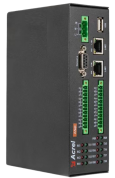
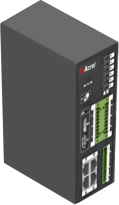
ACCU-100BF |
In addition to intelligent gateway data collection, protocol conversion, storage and other functions, it also has a new energy usage strategy control function, which can control photovoltaic output, energy storage charging/discharging, charging pile charging control and load adjustment according to preset logic, and interact with the cloud platform to respond to cloud strategy configuration. |
Microgrid photovoltaic energy storage and charging Local strategy regulation |
|
Energy management of energy storage cabinet system |
Acrel-2000ESBF |
The energy management of energy storage cabinets includes interface display, statistical analysis, charge and discharge strategy control, operation status monitoring, battery information management, and fault alarm. |
Energy management system configured on the energy storage cabinet |
|
|
Microgrid energy management system |
Acrel-2000MGBF |
Orderly management and optimized control of the sources (mains power, distributed photovoltaics, micro wind turbines), networks (internal distribution networks), loads (fixed and adjustable loads), energy storage systems, and new energy vehicle charging loads of enterprise microgrids, to achieve flexible interaction between source, network, load, and storage resources under different objectives, and to increase the stable operation of the system under multi strategy control. |
Locally deployed energy management system |
|


2.4 Orderly Charging Solution
Replacing oil and gas with electricity is a process of energy transformation in zero carbon parks, and charging and swapping stations to supplement energy for new energy vehicles are also necessary facilities. The Ankrui ordered charging system is based on predictive algorithms, which can achieve the monitoring, scheduling, and management of enterprise transformer load rate, photovoltaic power generation, and charging load demand combined with charging piles, improve photovoltaic power consumption, enhance the operational reliability of the park's microgrid, and reduce charging costs.
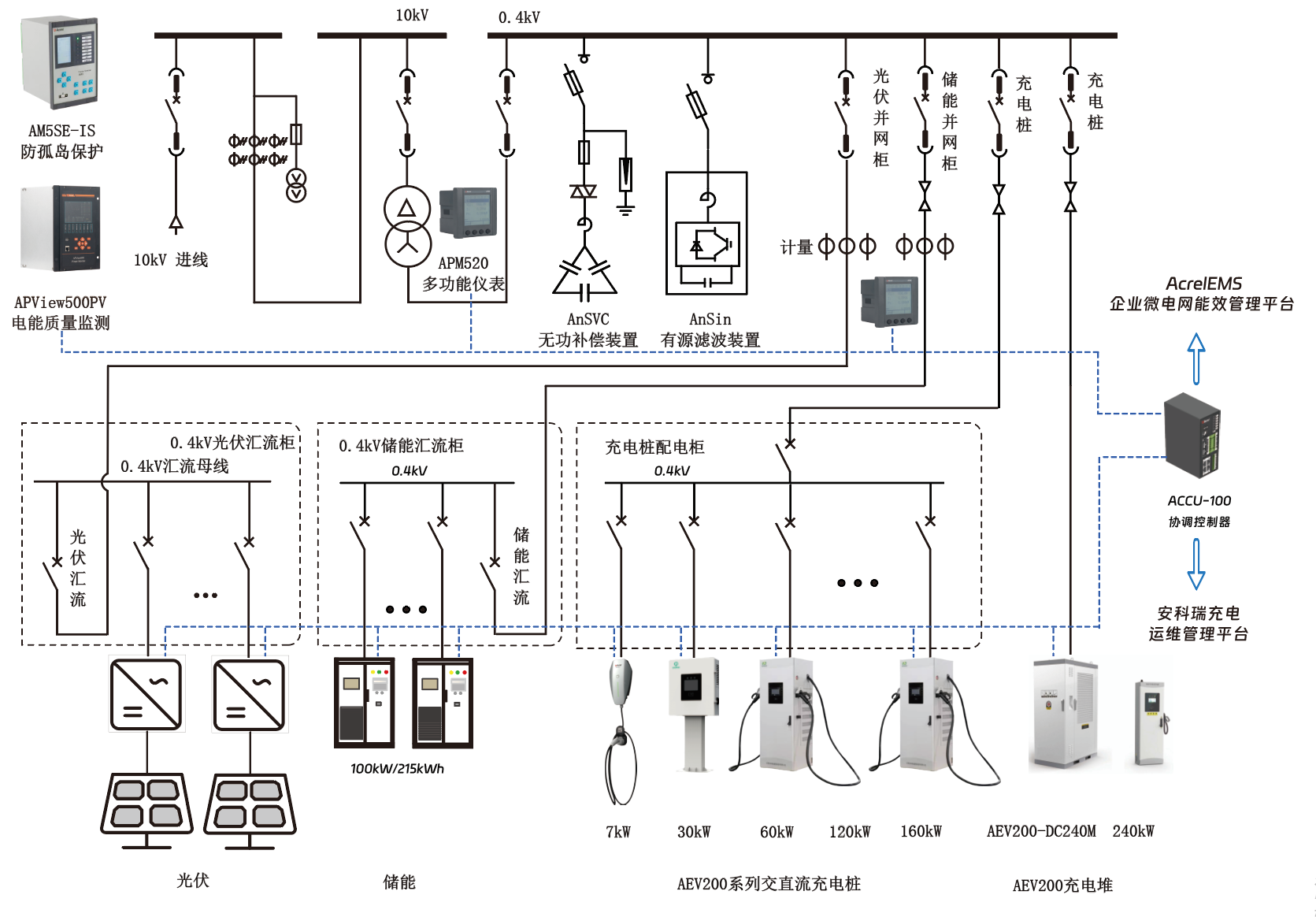
Figure 4 Ordered Charging System Diagram
Equipment selection plan for orderly charging system
name |
picture |
model |
function |
application |
charging pile |
|
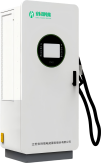
AEV200-DC240MBF |
The split type DC charging cabinet adopts a design of one cabinet with four piles, with a maximum charging power of 240kW per pile, a charging voltage of 150V-1000V, and a maximum current of 250A per pile |
Fast charging station |
DC charging pile |
|
AEV200-DC160SBF |
Dual guns, input voltage 380V, up to a maximum charging power of 160kW |
Fast charging station |
AEV200-DC120SBF |
Dual guns, input voltage 380V, up to a maximum charging power of 120kW |
Fast charging station |
||
AEV200-DC120DBF |
Single gun, input voltage 380V, up to a maximum charging power of 120kW |
Fast charging station |
||
AEV200-DC080DBF |
Single gun, input voltage 380V, up to a maximum charging power of 80kW |
Fast charging station |
||
AEV200-DC060DBF |
Dual guns, input voltage 380V, up to a maximum charging power of 60kW |
Fast charging station |
||
|
AEV200-DC040DBF |
Single gun, input voltage 380V, up to a maximum charging power of 40kW |
Small DC |
|
AEV200-DC030DBF |
Single gun, input voltage 380V, up to a maximum charging power of 30kW |
Small DC |
||
AC charging pile |
|
AEV200-AC007DBF |
Single gun, input voltage 220V, up to a maximum charging power of 7kW |
slow charging |




2.5 Carbon Asset Management Plan
AcrelEMS3.0 Smart Energy Management Platform adopts a carbon emission accounting factor database for carbon asset management, which complies with the quantification and reporting guidelines for greenhouse gas emissions and removals at the organizational level of SO14064-1:2018. It provides functions such as carbon inventory, carbon quota management, carbon emission analysis, carbon flow, carbon inventory report, carbon trading record, etc. for the park, helping the park establish a carbon emission statistics, accounting, reporting, and verification system.
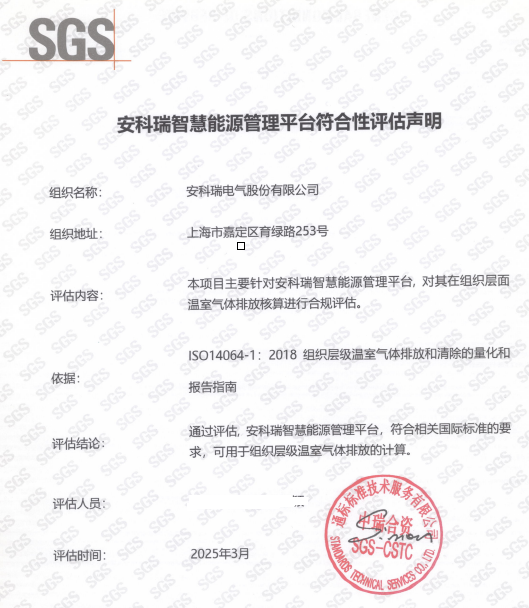
Figure 5 Declaration of Compliance Assessment for Carbon Emission Accounting
2.6 Microgrid Coordination Controller
The ACCU-100BF microgrid coordination controller mainly collects data from photovoltaic inverters, energy storage systems, transformer loads, etc. Based on the set logic of new energy usage, it constructs local control strategies and interacts with cloud data to control the output and power demand of energy storage devices, distributed energy, and adjustable load devices. It can also perform photovoltaic storage replacement based on economic benefit models while meeting scheduling requirements, respond to cloud strategy configuration, and fully absorb and utilize new energy.
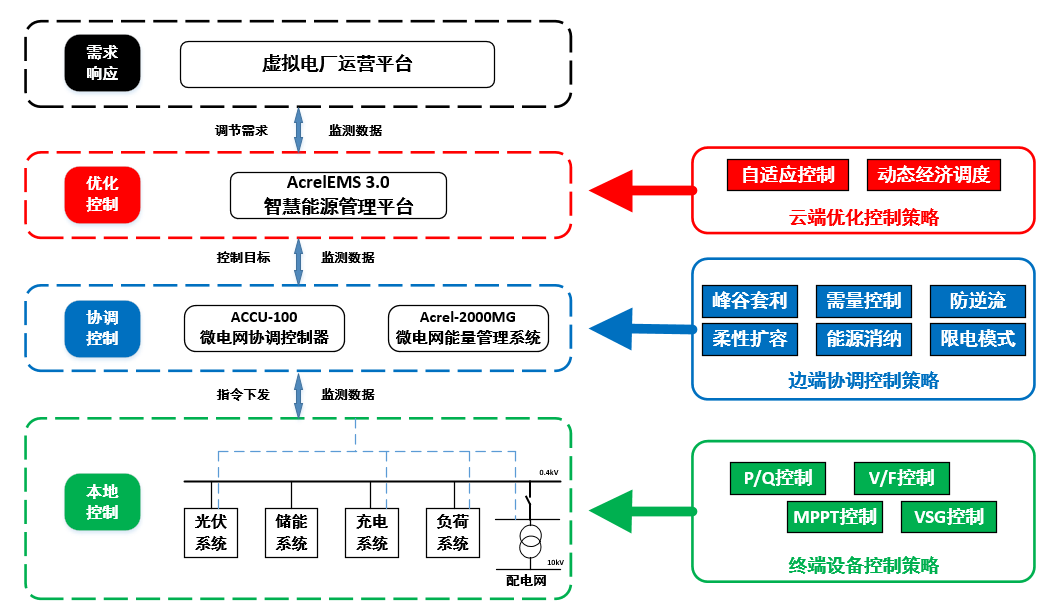
Figure 6: Combination of Three Level Control Strategies for Cloud Edge End
The ACCU-100BF microgrid coordination controller has the following functional characteristics:
Data collection: Supports real-time operation of multiple channels such as serial port and Ethernet, meeting the requirements for various wind and photovoltaic inverters, energy storage and other equipment access;
Communication Management: Supports Modbus RTU、Modbus TCP、IEC 60870-5-101、IEC 60870-5-103、IEC 60870-5-104、MQTT According to the communication protocol, cloud edge collaboration (combined with Ankerui Smart Energy Management Cloud Platform for remote operation and maintenance), OTA upgrade, on-site/remote switching, and local human-machine interaction (optional) can be achieved;
Edge computing: flexible alarm threshold setting, active uploading of alarm information, data consolidation calculation, logic control, breakpoint continuation, data encryption, 4G routing;
Strategy management: anti backflow, planning curve, peak shaving and valley filling, demand control, active/reactive power control, photovoltaic energy storage coordination, etc., and support strategy customization;
System security: User permissions designed based on an untrusted model to prevent unauthorized users from infiltrating; Based on data encryption and data security verification technology, data calibration and tamper proof mechanisms are adopted to achieve data authentication and traceability;
Operational safety: Collect and analyze signals and measurement data from the entire station, including batteries, temperature control, and fire protection, to achieve operational safety warning and prediction.
AcrelEMS3.0 Smart Energy Management Platform - Park level Microgrid Energy Management
In the construction of zero carbon or near zero carbon parks, the combination of "photovoltaic+energy storage+charging" is applied to the park's power grid. With the increasing proportion of new energy, the management of the park needs to rely on smart energy management platforms to achieve carbon asset management, new energy strategy control, orderly charging management, energy consumption analysis, equipment operation and maintenance, and so on. The AcrelEMS3.0 smart energy management platform can help parks effectively manage energy, and its functions include:
Comprehensive monitoring: Implement functions such as collection, monitoring, visualization display, abnormal alarm, event query, and report statistics of substation, photovoltaic, energy storage, load, charging pile, and environmental data in the park;
Intelligent control: Collaborative photovoltaic, energy storage, load and other energy entities, dynamically planning intelligent strategies to achieve coordinated control of energy storage and photovoltaic, such as planning curves, peak shaving and valley filling, anti backflow, new energy consumption, demand control, etc;
Energy analysis: equipped with microgrid energy consumption and benefit analysis, microgrid economic operation analysis, multi-dimensional electricity analysis, and conducting daily, monthly, and annual energy report statistics;
Carbon Asset Management: The enterprise's carbon asset management function includes carbon inventory, carbon quota management, carbon emission analysis, carbon flow, carbon inventory report, carbon trading records, and more.
Power prediction: Based on historical photovoltaic output power and historical numerical weather data, combined with numerical weather forecast data and the geographical location of photovoltaic power generation units, a deep learning algorithm is used to establish a prediction model library to achieve short-term and ultra short time power prediction of photovoltaic power generation, and error analysis is conducted; At the same time, for all loads within the microgrid, based on historical load data, the load power curve is predicted through big data analysis algorithms.
Optimization scheduling: Based on the results of distributed energy generation forecasting and load forecasting, combined with factors such as time of use electricity prices, grid interaction power, and energy storage constraints, an optimization model is established with the goal of low electricity costs. Deep learning algorithms are used to analyze the power plan of microgrid operation. The system decomposes the power plan to achieve optimal control of photovoltaic, energy storage, and charging piles.
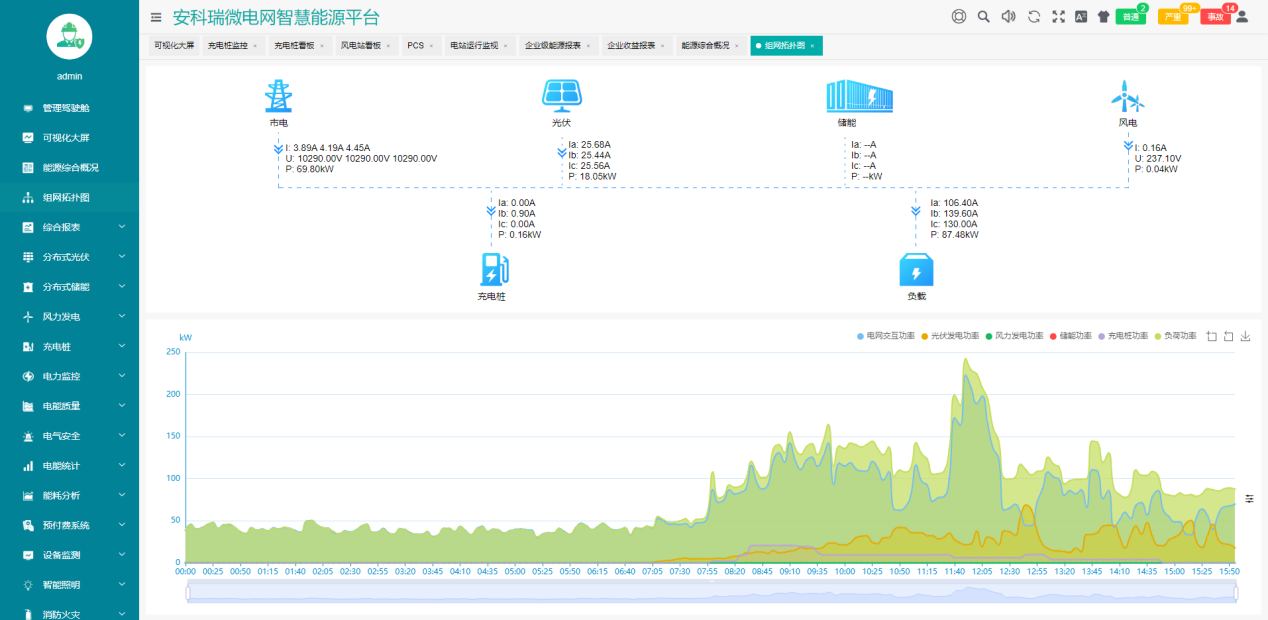
Figure 7 AcrelEMS3.0 Smart Energy Management Platform
5、 Conclusion
A zero carbon park is not a single emission reduction unit, but a systematic project that integrates energy transformation, industrial upgrading, technological innovation, and governance reform. It is a key lever for achieving the "dual carbon" (peak carbon emissions and carbon neutrality) goals. Its planning and construction require the rational use of tools and energy management software to achieve energy utilization. In the future, with the construction of more zero carbon parks, they will not only become the "green business card" of regional economy, but also one of China's core competitiveness in participating in global climate governance.
References:
[1] Deloitte and Huawei jointly released "Global Energy Transition and Zero Carbon Development" in 2021
[2] Ankerui Enterprise Microgrid Design and Application Manual
Last Article: What are the maintenance methods for residual current transformers
Next Article: Product popularization of 4G measuring instruments